
Airline fees are a source of great controversy.
On one hand, airlines say they can make more money by “unbundling” the costs of services they used to give away for nothing. They say it’s fairer for the traveling public because passengers can pick and choose what extra services and conveniences they want and are willing to pay for.
But on the other hand, fees anger passengers who feel they are being nickel and dimed by airlines.
Consumer advocates are trying to persuade federal officials to force airlines to clearly disclose the cost of tickets with the added fees.
Fees are most prevalent among the discount carriers, but many of the legacy airlines have caught on to fees as a means of adding revenue.
Here are some of the most common airline fees and some of the carriers that charge them:
-
Baggage fees
The most common in the industry, the baggage fee is the extra charge for every suitcase checked in. Most airlines have an escalating fee for every extra bag checked. First bag fees range from $15 to $35 among major carriers and only Southwest Airlines and JetBlue don’t charge for the first checked bag. The most common charge by the legacy carriers is $25 for the first bag. Although Southwest has drilled the “bags fly free” mantra into the public, the airline does have bag fees – for anything more than two bags. The third through ninth bag on Southwest costs an extra $50 per bag. Other carriers charge up to $100 apiece for extra bags. A corollary to the bag fee is the overweight or oversized bag fee. They usually run from $50 to $100, depending on how big or heavy the bag is.
-
Non-refundable ticket change fees
Only Southwest does not charge the customer for making a change on a reservation. But it still gets your money. After a cancellation, a Southwest customer can apply dollars paid to purchase another flight, which may or may not be more expensive. Southwest recently tightened its policy on ticket changes. It used to allow passengers to apply their funds to another traveler. Now, a changed ticket has to be spent on the passenger seeking the change. Most other carriers charge between $25 and $150 to make a switch, which may be more than the cost of just buying another ticket.
-
Meals and snacks
Gone are the days when food service was complimentary. Although several airlines still offer free snack food and soft drinks (AirTran, Hawaiian, JetBlue, Midwest, Southwest, Sun Country), others charge between $2 and $7 for snacks. There also are several holdouts that will offer free beverages (exceptions include Allegiant and Spirit), and everybody charges for alcoholic beverages.
-
Legroom fees
Several air carriers charge customers extra for seats with more legroom. Some airlines charge extra to sit in the seats in the emergency exit row because they offer more legroom. Others have “economy-plus” seats that have slightly more room between rows. Legroom and priority seating fees range from $6 (AirTran) to $110 (United, on some of its longer routes). Southwest Airlines has a variation of the priority seating fee through its Earlybird program. Passengers pay an extra $10 to cut to the front of the line, giving them a better chance at claiming their favorite seat through the company’s open-seating policy.
-
Unaccompanied minors fee
There’s no dodging this added expense of airline personnel keeping an eye on young travelers flying by themselves. It’s just a matter of how much you’ll pay. Alaska is least expensive at $25 ($50 when a change of planes is involved). The most common fee levels are $50 (Frontier, Southwest), $75 (JetBlue, Sun Country, Virgin America) and $100 (American, Continental, Delta, Hawaiian, Spirit, United, US Airways). Allegiant doesn’t allow unaccompanied minors to travel.
-
Telephone reservation fee
This is one of the most aggravating fees because many customers don’t know when they call for information and book a flight that they get whacked with an extra charge. The logic behind the fee is that an employee must assist the customer and that’s an expense to the company. Fees range from $10 to $35. Among major carriers, only Southwest doesn’t charge customers for booking by phone. Some airlines also charge for booking online. Allegiant charges extra by phone or online. So how do you dodge the fee? Buy your ticket at the airport.
-
Pet fees
The price of taking Fido on your trip has gone up as all major airlines have adopted special fees. They range from $70 on AirTran to $250 on long United flights, and most airlines charge around $100. No major airline will fly a pet for free.
-
Carry-on bag fees
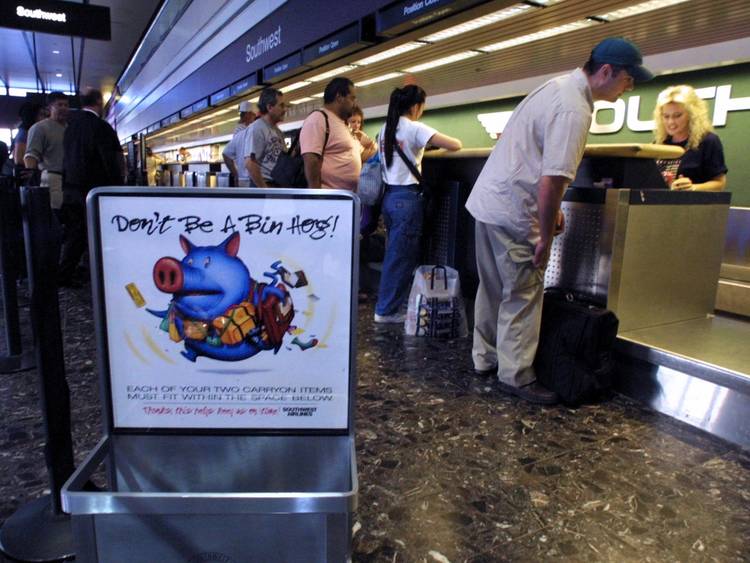
Spirit Airlines ignited controversy when it announced plans to charge between $20 and $45 to place bags in overhead storage bins. There’s no charge for carry-ons that fit beneath the seat in front of you. Allegiant is now exploring a carry-on bag fee on its flights.
-
Fuel surcharges
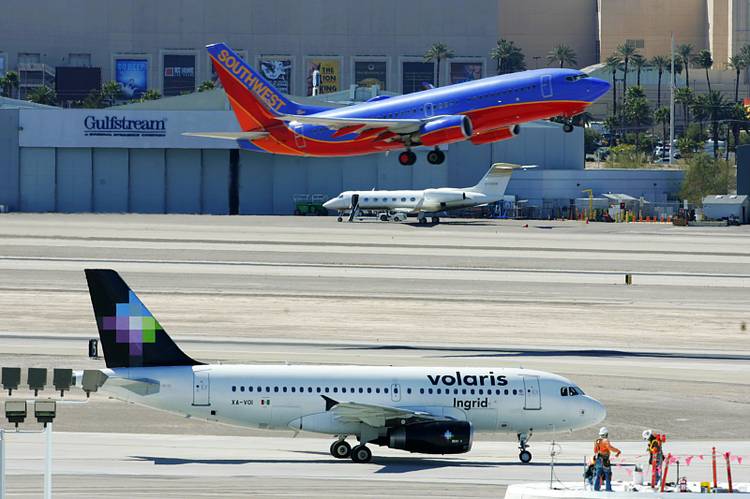
Several airlines that fly overseas are assessing fuel surcharges, usually because they want to show customers how expensive jet fuel has become. Some airlines break out the fuel surcharge when they list taxes and fees on their tickets, and others just include it in the base fare. Some consumer advocates theorize that airlines can justify charging customers that fly on frequent-flier miles a fuel surcharge to generate revenue on a ticket that normally wouldn’t make as much money.
-
Taxes
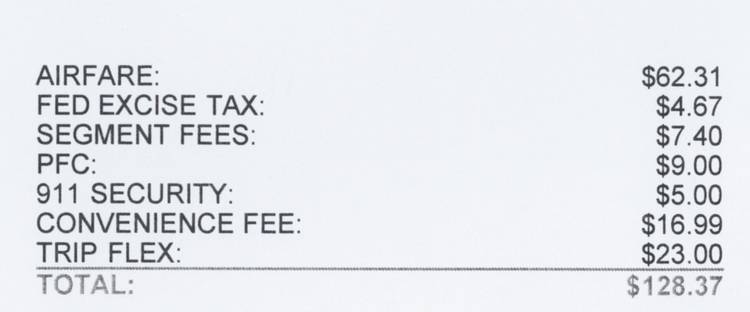
Everybody has to pay these because the federal government has implemented them on every ticket sold. The federal excise tax is 7.5 percent (which actually is lower than the 10 percent assessed in the 1990s). Passengers also pay a flight segment tax of $3.70 per segment, which means per takeoff and landing. The Homeland Security Department is funded in part by the so-called Sept. 11 security fee, which is $2.50 per segment up to $5 one way and up to $10 round trip. Passenger Facilities Charges vary by airport and the revenue generated goes directly to those airports. The maximum PFC is $4.50 — and that’s the amount collected on flights coming from or going to McCarran International Airport.
